


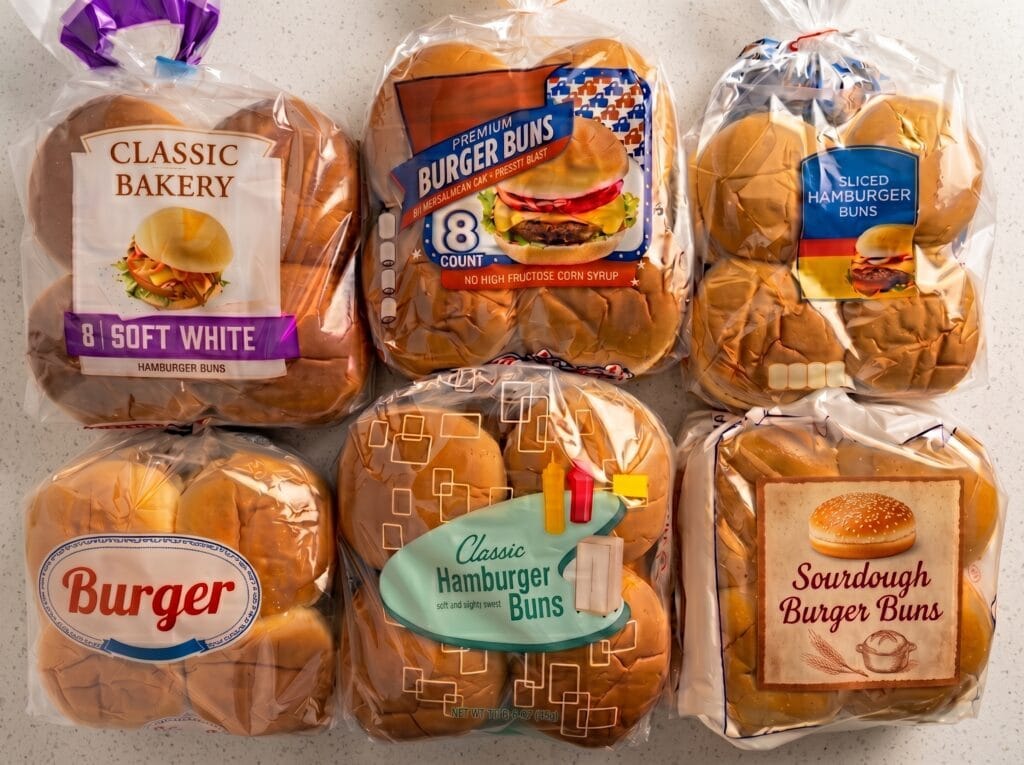
Synthetic emulsifiers and preservatives built industrial bread’s shelf life, but enzyme systems now replicate most of that performance with a clean ingredient list. The tradeoff sits in shorter shelf life, tighter process control, and a fundamentally different supply chain model.
That formula is losing ground. Consumers reject ingredient lists loaded with E-numbers, and clinical research now links synthetic emulsifiers to measurable changes in gut health. R&D teams across the baking industry are responding with multi-enzyme systems and fermentation-derived preservatives that aim to match traditional performance without chemical additives on the label.
What Synthetic Additives Do
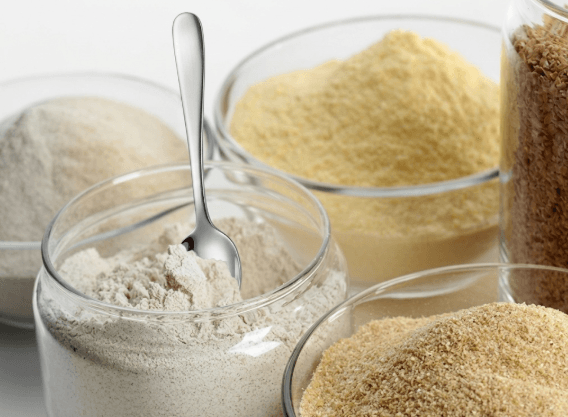
Each additive targets a specific failure mode in the finished product.
Calcium propionate dissociates into propionic acid at the crumb’s mildly acidic pH. The acid crosses fungal spore membranes and collapses their intracellular proton gradient, inhibiting Penicillium, Aspergillus, and Rhizopus for over 30 days at 0.3% to 0.5% on flour weight.
SSL inserts its stearic acid chain into the helical cavity of amylose released during gelatinization. The resulting inclusion complex blocks recrystallization, the primary mechanism behind staling. SSL also softens gas cell walls and provides elastic recovery (“spring-back”) after compression.
DATEM forms ionic and hydrogen bonds with glutenin subunits while its lipophilic tails anchor into the fat-protein matrix. This creates a resilient film at the water-gas interface, allowing dough to tolerate severe mechanical abuse from high-speed dividers and formers without collapsing during proofing or baking.
How Enzymes Replace Them
Clean label formulations use enzymes that modify the flour’s own components in situ, then denature in the oven.
Recommended Reading:

Maltogenic amylases (typically from Bacillus stearothermophilus) remain active between 60°C and 75°C during baking. They trim maltose units from amylopectin’s outer branches, preventing the re-association that causes staling. This keeps the crumb soft for 21 to 28 days.
Phospholipases convert the flour’s native lecithin into lysolecithin, a potent natural emulsifier that mimics SSL’s function at the gluten-starch interface, producing fine alveolation and volume retention.
Xylanases break down insoluble arabinoxylans that trap water and interfere with gluten development. The released water improves dough extensibility, oven spring, and final volume.
Where the Gaps Remain
Enzyme systems have matured significantly, but four production-level issues persist.
Reduced resilience. Without SSL’s stable ionic bonds, the crumb becomes softer but more plastic. Compressed buns and loaves may not recover their original shape. TPA resilience typically drops to 35% to 45% at day 21, compared to above 55% in traditional formulations.
Side-wall collapse. In high-hydration doughs, excessive enzymatic hydrolysis can thin gas cell walls. During post-bake cooling, internal vapor pressure drops and the walls buckle inward, creating an “hourglass” deformation that jams slicing equipment.
Crust flaking. Altered moisture migration patterns can create a brittle layer beneath the crust that peels off during transport or slicing.
Inconsistent toasting. Variable concentrations of reducing sugars from amylolytic activity may produce uneven Maillard browning on QSR contact toasters operating at 200°C to 230°C.
The Shelf-Life and Supply Chain Equation
The performance gap compresses the entire distribution model.
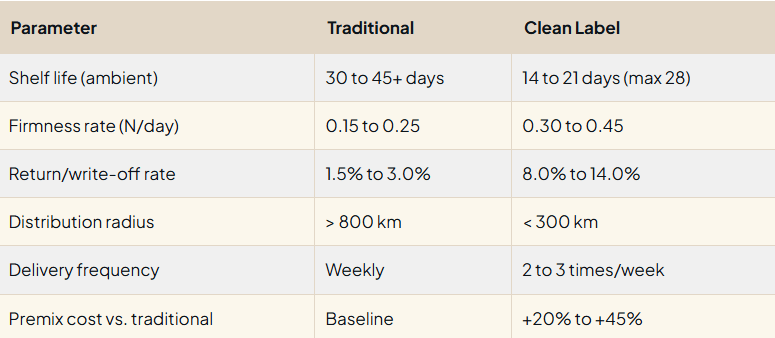
Traditional formulations allow centralized plants to distribute across 800+ km with weekly deliveries. Clean label restricts the efficient radius to under 300 km and demands two to three deliveries per week.
Replacing calcium propionate is the hardest single step. Fermented flours (using Lactobacillus and Propionibacterium cultures) generate natural propionic and acetic acids, but reaching equivalent protection requires 1.5% to 3.0% inclusion, which introduces sour off-notes and may slow yeast leavening by up to 30%. Buffered vinegar works mechanistically but triggers consumer rejection above 0.5% due to its pungent aroma.
Recommended Reading:

The Health Argument Behind the Shift
The transition is not purely cosmetic. Research led by Dr. Benoit Chassaing (Nature, 2015; Gastroenterology, 2021) established that synthetic surfactants thin the intestinal mucin layer that separates gut bacteria from the epithelial surface. When bacteria reach the epithelium, they activate Toll-like receptors and trigger the NF-κB inflammatory cascade, sustaining chronic low-grade inflammation associated with metabolic syndrome and inflammatory bowel disease.
Studies published in Gut (2025) and Nature Communications (2025) extended these findings to intergenerational effects: maternal emulsifier consumption altered offspring microbiomes and increased their vulnerability to chronic inflammatory conditions.
Enzymes, by contrast, denature irreversibly when crumb temperatures reach 90°C to 98°C. They arrive in the gut as ordinary digestible protein fragments with no residual surfactant activity. The organic acids from fermented flours serve as short-chain fatty acid precursors that support, rather than erode, the mucosal barrier.
Where This Leaves Bakeries
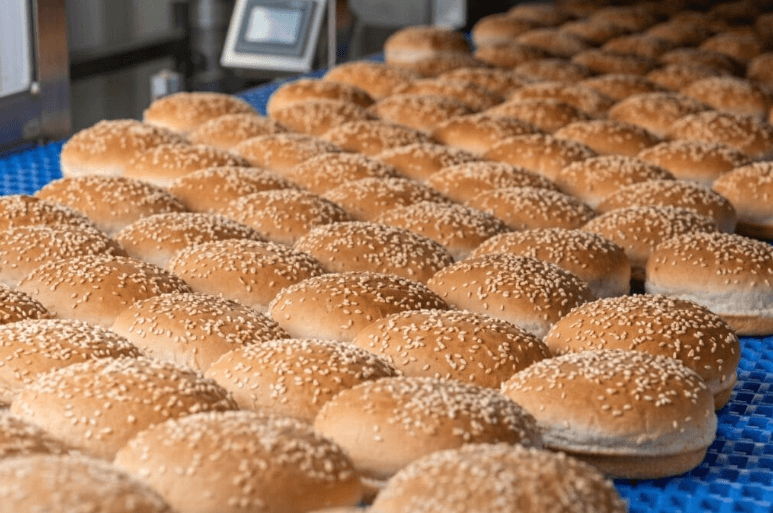
For centralized operations with long logistics chains, traditional formulations remain the practical choice until clean label shelf life improves further. For regional plants serving health-conscious retail and QSR accounts that accept shorter replenishment cycles, enzyme-based systems are already commercially viable, provided the team controls enzyme dosing, manages pH from natural preservatives, and tightens process parameters around mixing energy, dough temperature, and cooling.
The final calculation is whether higher return rates and shorter distribution radii are offset by the brand premium that clean label commands. In markets where consumers pay more for “no artificial preservatives,” that margin recovery can be significant.
😊 Thanks for reading!
Sources:
Chassaing, B. et al. (2015). Dietary emulsifiers impact the mouse gut microbiota promoting colitis and metabolic syndrome. Nature, 519(7541), 92–96. https://www.nature.com/articles/nature14232
Viennois, E. & Chassaing, B. (2021). First direct evidence of dietary emulsifier-induced gut microbiota alterations in humans. Gastroenterology, 160(7), 2232–2234.
https://www.gastrojournal.org
Chassaing, B. et al. (2025). In vitro microbiota models predict individual sensitivity to dietary emulsifiers. Gut.
https://gut.bmj.com
Chassaing Lab (2025). Intergenerational effects of dietary emulsifiers on offspring microbiome and immune development. Nature Communications. https://www.nature.com/ncomms
Goesaert, H. et al. (2009). Starch and amylases in breadmaking and anti-staling mechanisms. Journal of Cereal Science, 50(3), 285–292.
Gerits, L. R. et al. (2014). Enzymatic replacement of synthetic emulsifiers in breadmaking. Food Chemistry, 158, 201–207.
BAKERpedia: Hamburger Bun Production & Anti-Staling Enzymes.
https://bakerpedia.com
Bakery Industry Insider: Enzymes Driving Clean-Label Transformation. https://bakeryinsider.com/enzymes-driving-clean-label/
California back in the 1990's didn't allow synthetic preservatives. We formulated with cultured whey and vinegar 100 grain. Shelf life was 7 to 14 days. 14 days for patent flour formulas 7 days for whole grain flours.